


Electricity pricing for businesses in Mauritius is entering a new phase. Recent announcements by the Ministry of Energy and Public Utilities and the Central Electricity Board (CEB) confirm the gradual introduction of Time-of-Use (TOU) electricity tariffs for large commercial consumers.
This new tariff structure is designed to better manage peak-hour demand on the national electricity grid. However, it also means that businesses operating heavily during certain hours may face higher electricity costs over time.
Understanding what this change means — and how to prepare — is now essential for commercial operators.
What Is a Time-of-Use Electricity Tariff?
A Time-of-Use (TOU) tariff is a pricing structure where the cost of electricity varies depending on the time of day.
In simple terms:
-
Peak hours (when national electricity demand is highest) are priced higher
-
Off-peak hours are priced lower
The objective is to encourage businesses to reduce, shift, or better manage electricity consumption during peak periods, helping to stabilise the grid and reduce strain on national generation capacity.
According to statements made by Patrick Assirvaden, Minister of Energy and Public Utilities, this approach is particularly relevant for large electricity consumers, including hotels, shopping centres, office complexes and supermarkets.
Peak Hours: What Businesses Should Know
Recent reporting by lexpress.mu (28 January 2026) confirms that peak demand hours are identified between 18:00 and 21:00 — the period when electricity usage across the country is at its highest.
The policy aims to reduce pressure on the grid during these hours while encouraging businesses to invest in solar power, battery storage, and improved energy management.
Which Businesses Are Most Affected?
Time-of-Use tariffs mainly concern commercial and institutional users with high and consistent electricity demand, particularly during daytime and early evening hours.
These include:
-
Hotels and resorts
-
Shopping malls and retail centres
-
Supermarkets and cold-storage facilities
-
Office buildings and corporate headquarters
-
Commercial complexes with air-conditioning, lifts and extensive lighting
For these businesses, electricity is not a minor overhead — it is a core operational cost directly linked to service quality, comfort and productivity.
Why This Matters for Your Operating Costs
Many commercial activities naturally coincide with peak demand periods:
-
Air-conditioning during business hours
-
Lighting and equipment in retail environments
-
Kitchens, laundries and back-of-house operations in hotels
-
Refrigeration systems running continuously
Under a Time-of-Use structure, electricity consumed during peak hours becomes more expensive, increasing exposure to rising operating costs year after year.
As a result, many businesses are now reassessing how dependent they are on grid electricity — and exploring ways to reduce that exposure.
How Solar and Hybrid Systems Help Reduce Risk
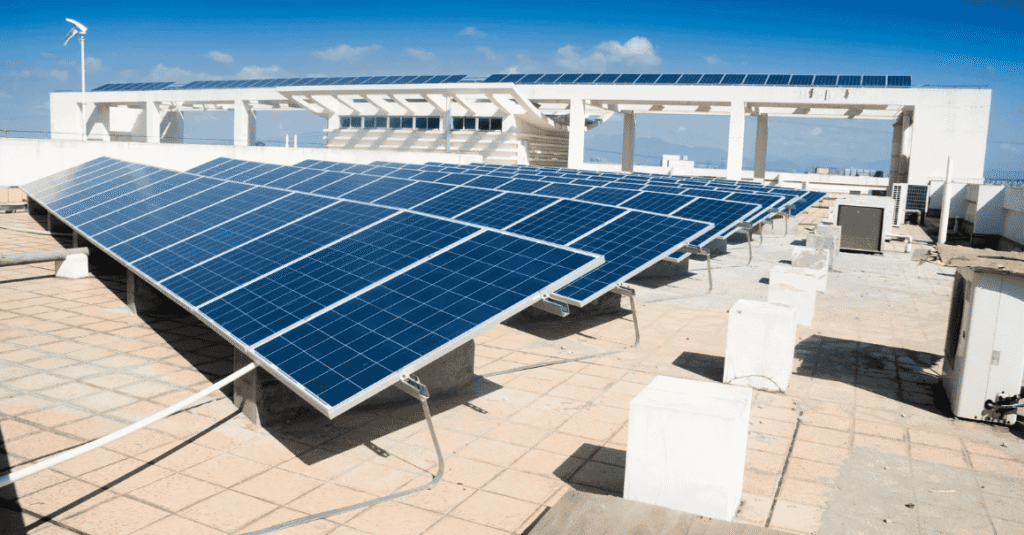
Solar energy and hybrid power systems offer a practical way to control energy costs and limit reliance on peak-hour grid electricity.
Key advantages include:
-
Daytime solar production offsets grid consumption when demand — and pricing pressure — is highest
-
Hybrid systems with battery storage allow energy generated earlier in the day to be used later
-
Reduced vulnerability to future tariff changes
-
Improved long-term cost predictability
Rather than reacting to tariff adjustments, businesses with solar and hybrid systems are able to plan ahead and stabilise operating expenses.
Why Many Businesses Are Acting Now
Energy pricing structures tend to evolve gradually — but once implemented, they rarely move backwards.
Forward-thinking businesses are:
-
Reviewing their electricity usage patterns
-
Identifying peak-hour exposure
-
Planning energy solutions before costs escalate further
Early assessment allows for better system design, smarter investment decisions, and smoother implementation.
How Enovra Supports Commercial Clients
At Enovra Energy Solutions, we support commercial clients by:
-
Analysing electricity consumption profiles
-
Identifying peak-hour exposure
-
Designing solar and hybrid solutions tailored to real operational needs
Our objective is not only to reduce electricity bills today, but to help businesses future-proof their energy strategy in a changing electricity landscape.
Ready to Assess Your Energy Exposure?
If your business operates during peak hours, now is the right time to understand how Time-of-Use tariffs could affect your costs — and what options are available to reduce that impact.
A commercial energy assessment can help identify:
-
When your highest electricity consumption occurs
-
How exposed your business is to peak-hour pricing
-
Whether solar or hybrid solutions are suitable for your operations
👉 Contact Enovra for a commercial energy assessment and tailored solar solution.